 Business License

How Long Should a Mechanical Seal Last? Factors and Replacement Guide
TL;DR (Quick Answer):
Under ideal conditions, a high-quality mechanical seal in a centrifugal pump should last between 2 to 3 years (approx. 15,000 to 25,000 continuous hours). However, seals will fail prematurely within weeks if exposed to dry running, shaft misalignment, or abrasive fluid contamination. Upgrading to a double mechanical seal with a flush plan can double the lifespan.
The mechanical seal is the most delicate and frequently replaced component in any pumping system. B2B facility managers constantly ask: "How often should we schedule a mechanical seal replacement?" The answer depends entirely on the operating environment and maintenance practices.
The Baseline Lifespan
For a standard water application operating at optimal temperatures and within the pump's Best Efficiency Point (BEP), a standard single mechanical seal should easily last 3 years. If you are replacing seals every 6 months, you do not have a seal quality problem—you have a system operation problem.
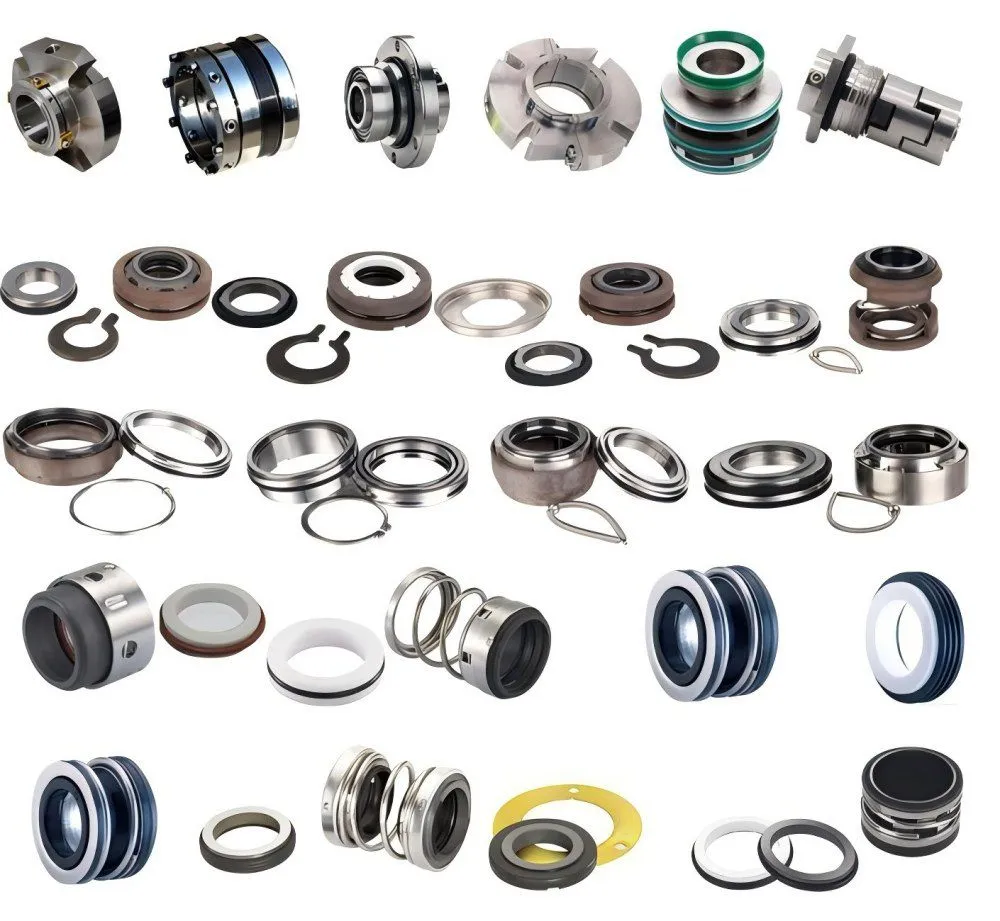
Top Factors That Destroy Mechanical Seals
1. Dry Running: Mechanical seals rely on a microscopically thin film of the pumped fluid to lubricate the seal faces (usually carbon against ceramic or silicon carbide). If the pump loses prime and runs dry, the friction generates immense heat, shattering the seal faces in minutes.
2. Abrasive Contamination: If you are using a standard seal to pump wastewater, sand and grit will grind between the seal faces. For these applications, a submersible sewage pump must be equipped with harder seal materials, like Tungsten Carbide.
3. Shaft Deflection and Vibration: If the pump is operating far off its BEP, or if the shaft is misaligned, the shaft will bend slightly as it spins. This deflection forces the seal faces to open and close thousands of times per minute, causing rapid wear and leakage.
How to Maximize Seal Lifespan
To improve your centrifugal pump reliability, follow these steps:
● Install a Seal Flush Plan: Use an API piping plan (like Plan 11 or Plan 32) to constantly inject clean, cool fluid directly into the seal chamber.
● Monitor Vibration: Use vibration sensors to detect bearing wear or misalignment before it transfers stress to the mechanical seal.
● Upgrade to a Double Seal: For hazardous or highly abrasive chemicals, a double mechanical seal utilizes a barrier fluid to completely isolate the seal faces from the harsh pumped media, significantly extending life and ensuring zero emissions.
Recently Posted
-
Cast iron vs. stainless steel 316 - best material for wastewater pumps
July 14, 2026For standard municipal sewage with neutral pH levels, a cast iron pump is the most cost-effective and durable choice. However, if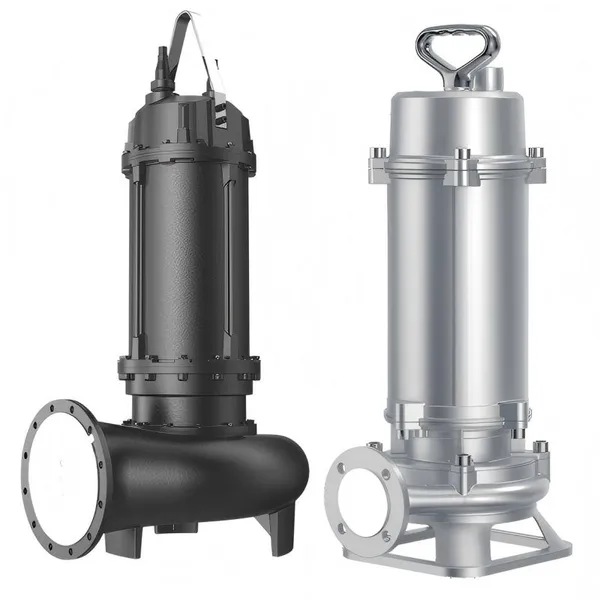 Read More
 -
The Power of Efficiency: What makes large electric motors efficient?
July 2, 2026Large electric motors are at the heart of industrial operations. They power the pumps that move fluids and the conveyor belts that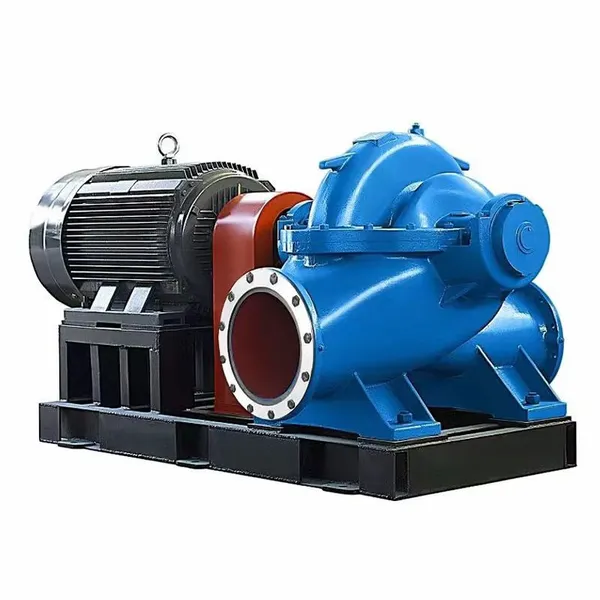 Read More
 -
DAB PUMPS
July 2, 2026Water is our most precious resource. For over four decades, DAB has been a leading provider of water movement and management techn Read More
 -
Vibration measurement of centrifugal pumps and analysis of typical failures
June 1, 2026Understand vibration measurement of centrifugal pumps, common faults, and their causes.PrefacePumping systems are critical equipme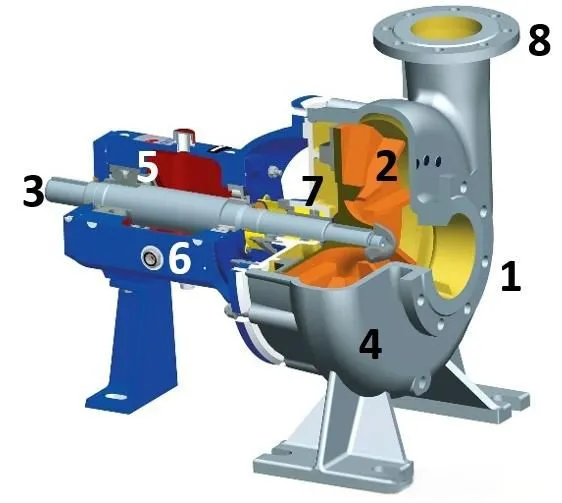 Read More

Contact Us
Recommended Products
-
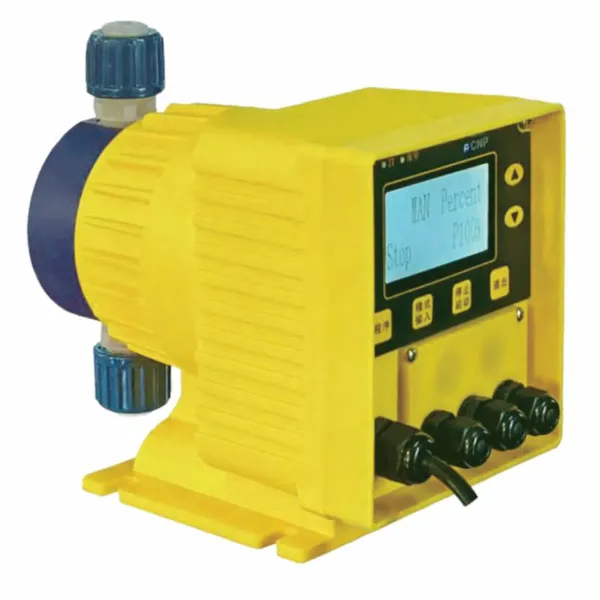
 CKF/CKG/CKC/CKL Series Electromagnetic Driven Diaphragm Metering PumpNegotiableMOQ: 50 Pieces
 -
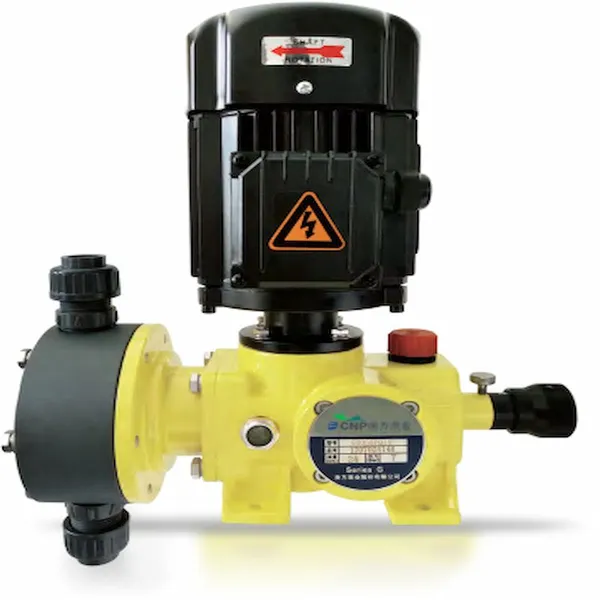
GD Series Mechanical Diaphragm Metering PumpNegotiableMOQ: 50 Pieces
-
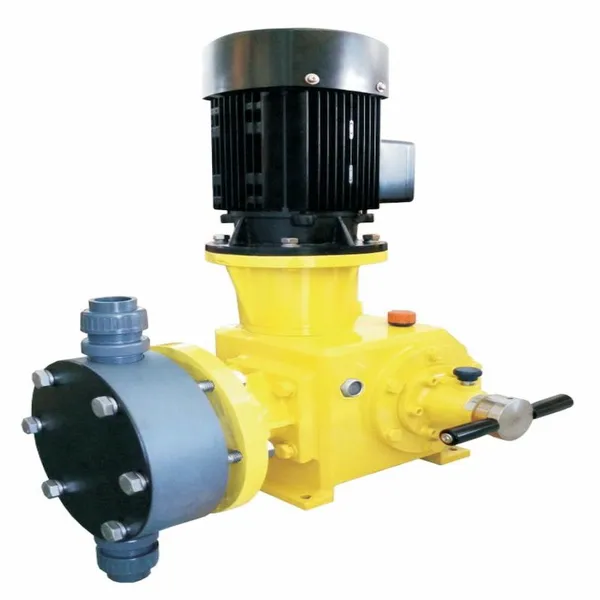
GX Series Mechanical Diaphragm Metering PumpNegotiableMOQ: 50 Pieces
-
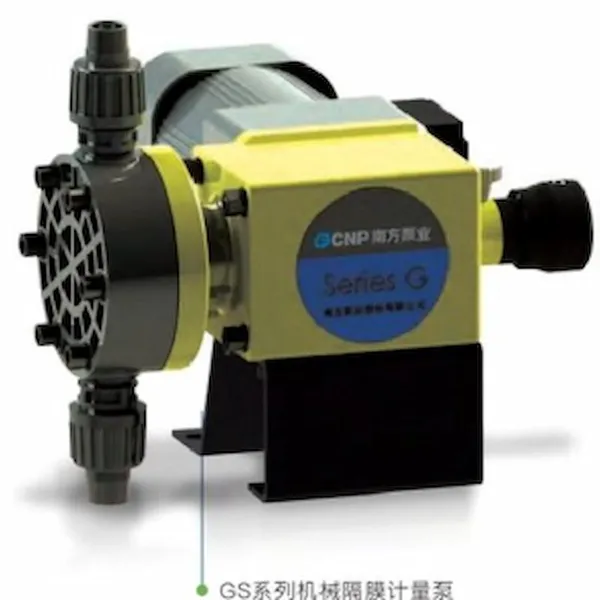
GS Series Mechanical Diaphragm Metering PumpNegotiableMOQ: 50 Pieces
-
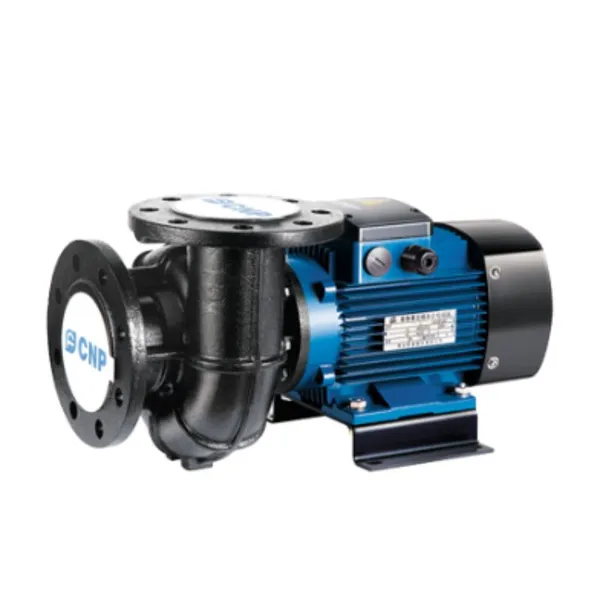
WLT,WLTS,WLTSF Horizontal Cooling Tower PumpNegotiableMOQ: 50 Pieces
-
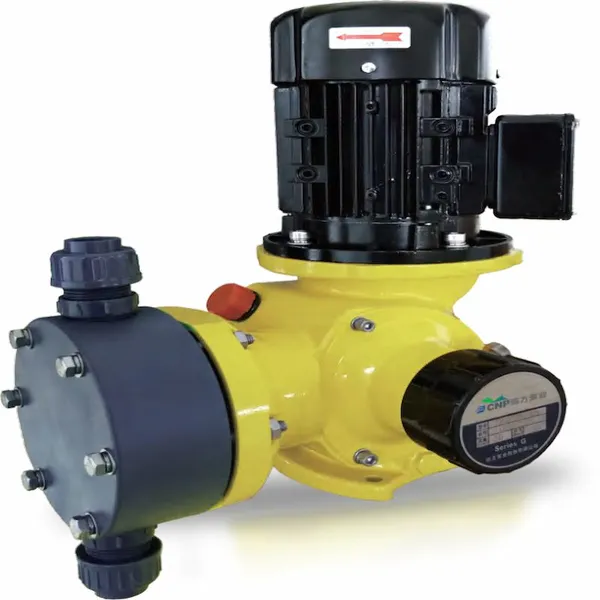
GM and GB Series Mechanical Diaphragm Metering PumpNegotiableMOQ: 50 Pieces
-
YW Type Non-Clogging Submersible Sewage PumpNegotiableMOQ: 1 Piece
-
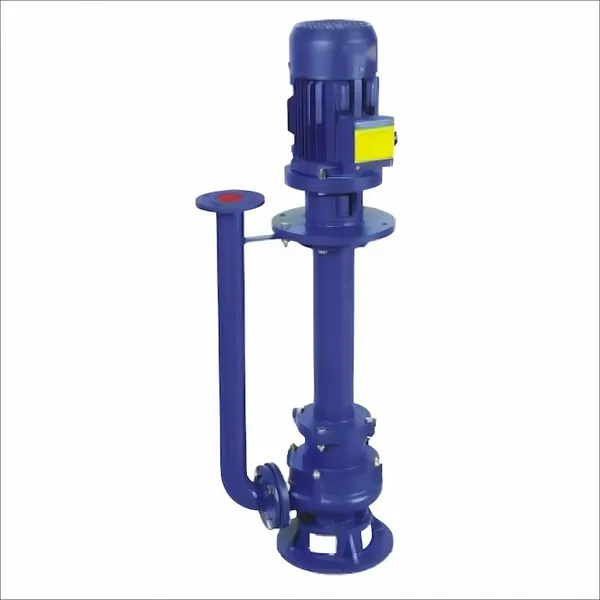
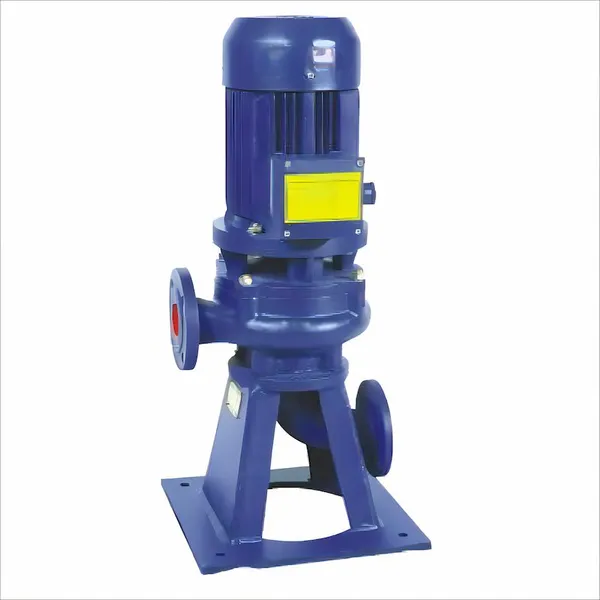
LW Type Non-clogging Vertical Sewage PumpNegotiableMOQ: 1 Piece
-
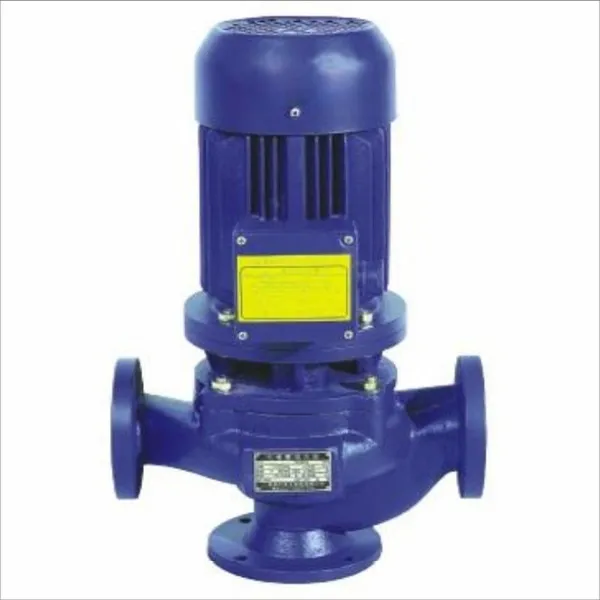
GW Type Non-Clogging Pipeline Sewage PumpNegotiableMOQ: 1 Piece
-
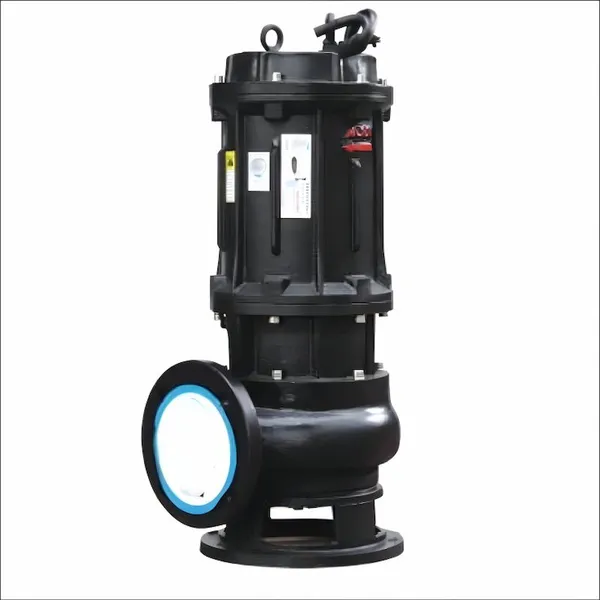
QW Type Non-Clogging Submersible Sewage PumpNegotiableMOQ: 1 Piece
-
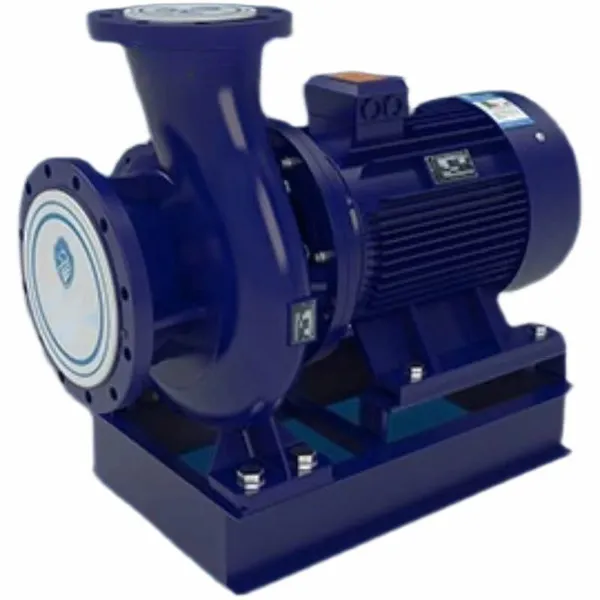
ISH and ISHP Structured Compact Horizontal Centrifugal PumpNegotiableMOQ: 1 Piece
-
Vertical Pipeline Chemical Centrifugal Pump Of ISV Series Made In ChinaNegotiableMOQ: 1 Piece
-
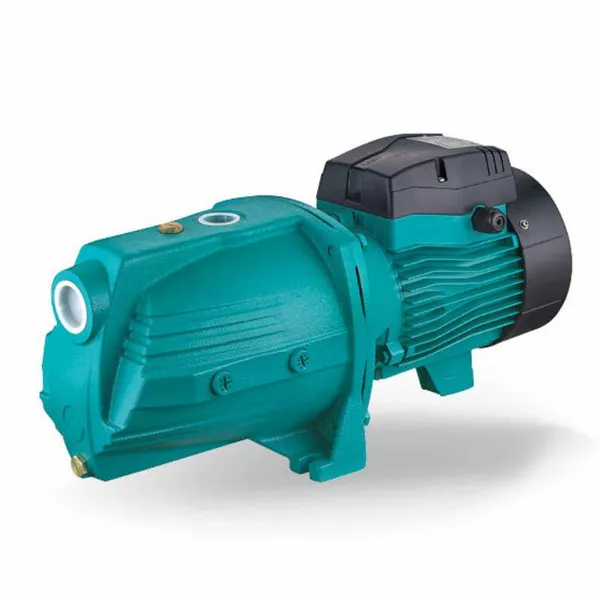
AJm Jet Pump Household Water Lifting Booster PumpNegotiableMOQ: 50 Pieces
-
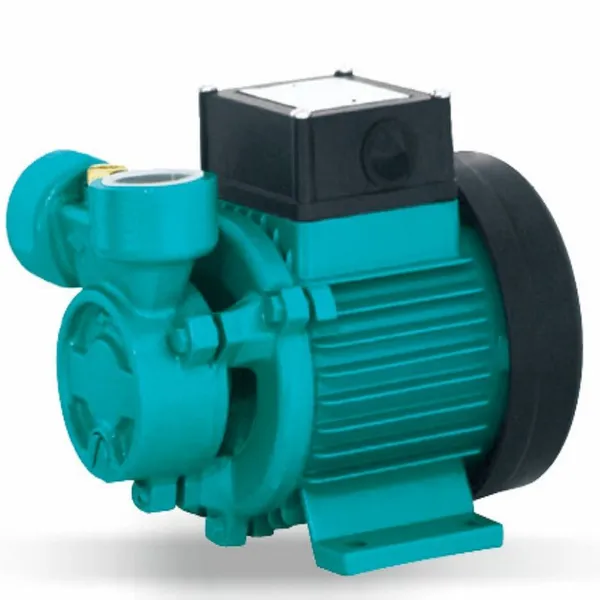
PQ Miniature Vortex Centrifugal PumpNegotiableMOQ: 50 Pieces
-
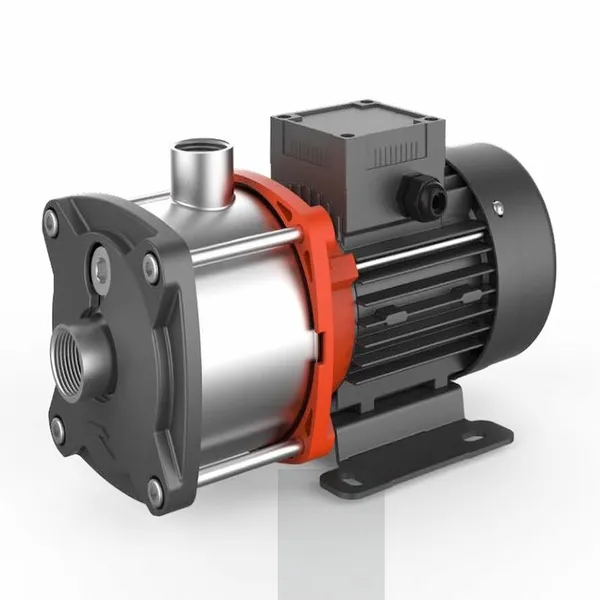
MH Series Coaxial Horizontal Multi-Stage Centrifugal PumpNegotiableMOQ: 50 Pieces
-
ZS Series Stainless Steel End-Suction Single Stage Centrifugal PumpNegotiableMOQ: 50 Pieces
-
LR (LS) New-Generation Special Pumps For Water TreatmentLR2-15NegotiableMOQ: 1 Piece
-
PK Miniature Vortex PumpNegotiableMOQ: 50 Pieces
-
MS Series Horizontal Stainless Steel Single - Stage Centrifugal PumpNegotiableMOQ: 50 Pieces
-
LRP Hot Water Circulation Canned Motor PumpNegotiableMOQ: 50 Pieces